

dbForge Studio for PostgreSQL
AI-powered IDE for database development, management, and data analysis across PostgreSQL and related cloud services
PostgreSQL Query Profiler, available in dbForge Studio for PostgreSQL, helps trace, analyze, and troubleshoot query performance issues that can lead to higher server loads, longer response times, and a poor user experience. It provides detailed insights into query execution and resource consumption, revealing the root cause of bottlenecks that slow down your applications and suggesting the appropriate PostgreSQL query optimization techniques.
For database developers, software developers, and DBAs, Query Profiler is a tool that can assist them with their everyday tasks. Optimizing complex queries, troubleshooting production issues, or fine-tuning the database before deployment becomes much easier with an advanced performance diagnostics tool. Built into dbForge Studio for PostgreSQL, Query Profiler uses the database context to analyze performance and pinpoint bottlenecks. With Query Profiler for PostgreSQL, you can:
The following video demonstrates how PostgreSQL Query Profiler works. This convenient tool helps DBAs and developers troubleshoot slow-running queries to optimize performance.
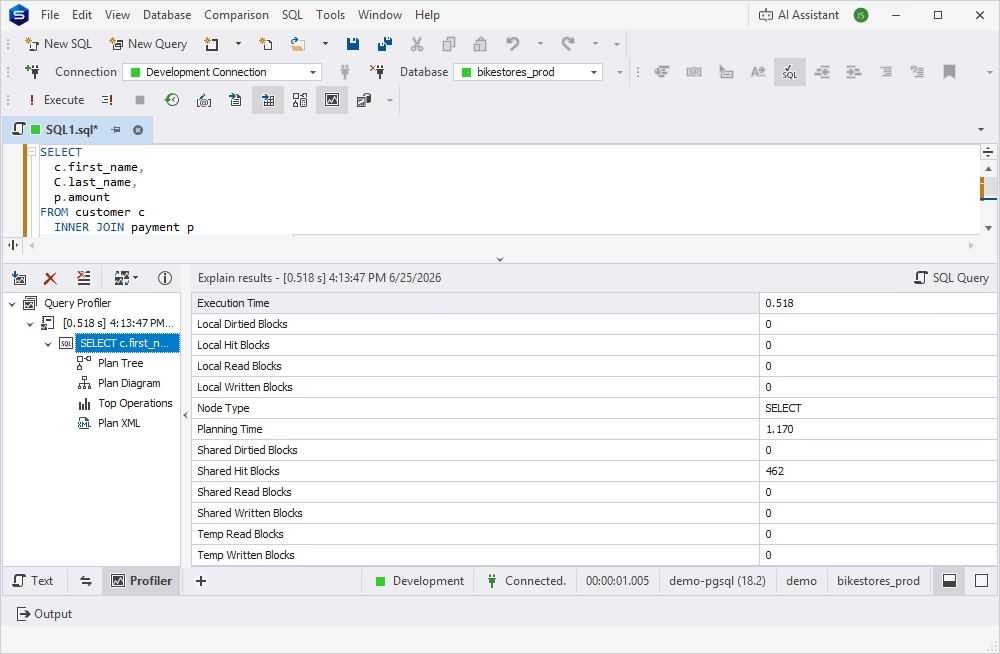
Query Profiler helps you analyze long-running queries and identify root causes of poor performance. Profiling results are displayed conveniently in a separate tab of your SQL document, showing the execution time and other useful metrics.
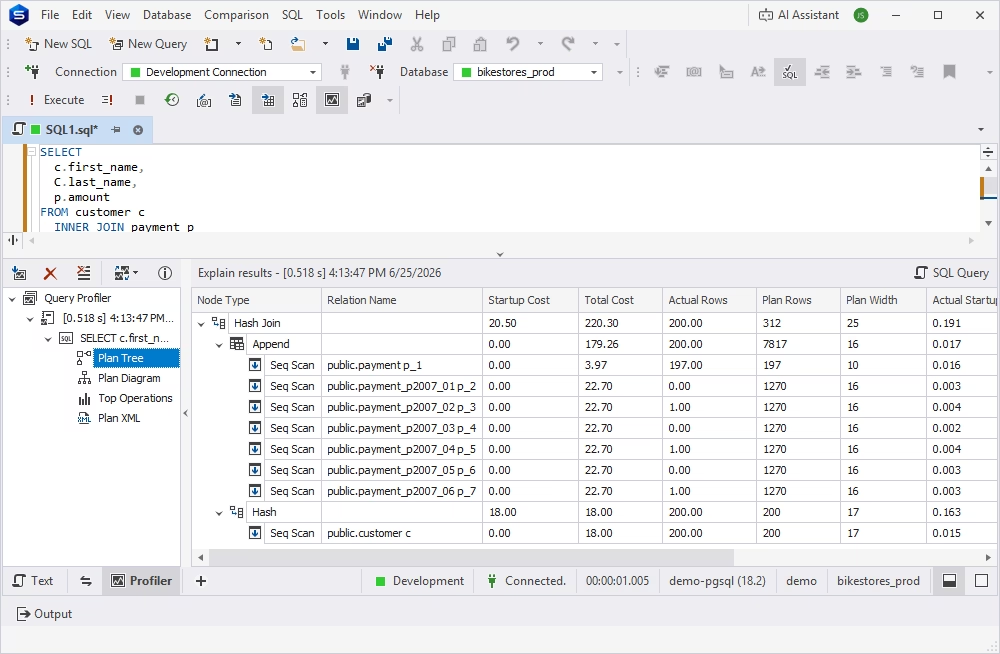
For each query run in the Query Profiler mode, the tool provides a Plan Tree—a visual representation of query execution with the order and hierarchy of query components and their relationships clearly visible. In a Plan Tree, you can see the cost of each step, the number of rows scanned, and other information that helps you analyze query performance.
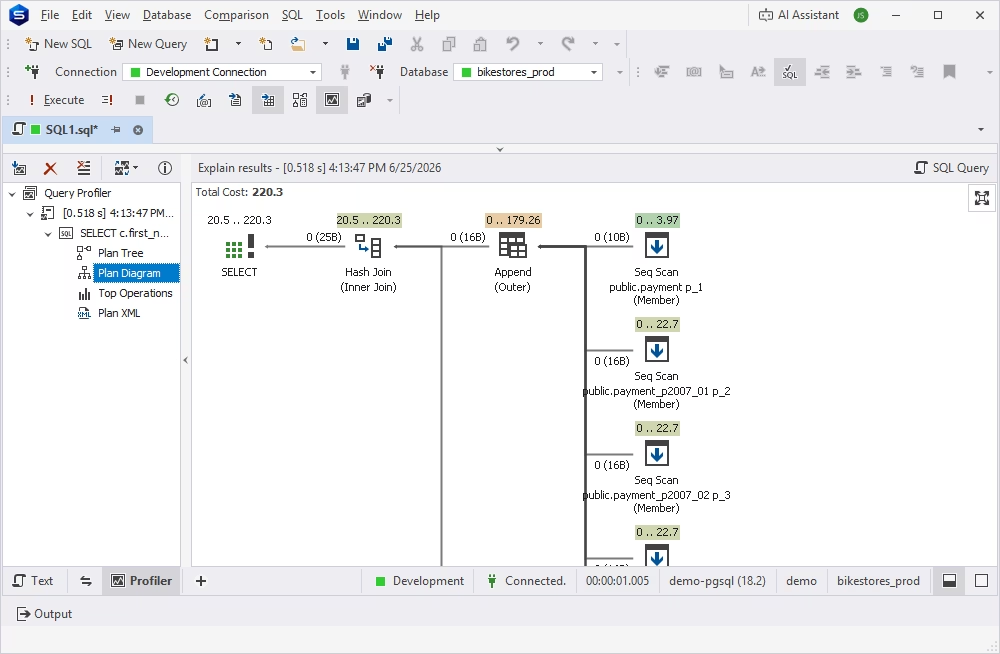
In our Postgres query optimization tool, you can review your query execution in a graphical diagram, showing costs for each step. The diagram displays how the data is passed between different operations and explains how the table is scanned. From the diagram, you can gather various metrics for each step of the query execution:
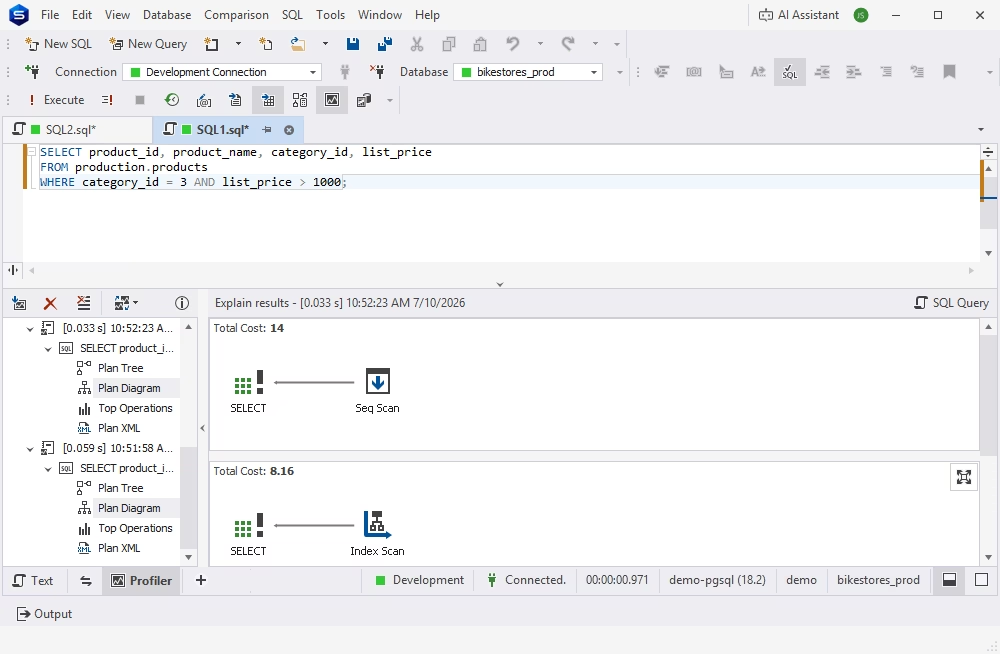
After you have identified the root cause of suboptimal query performance (typically, a missing index, inefficient JOIN, implicit conversion, or poor query design) and made the appropriate adjustments, you can compare the performance before and after optimization by reviewing both query execution diagrams next to each other. This way, you can clearly see the changes in the costs, execution time, and other metrics, as well as the more efficient query flow achieved by optimization.
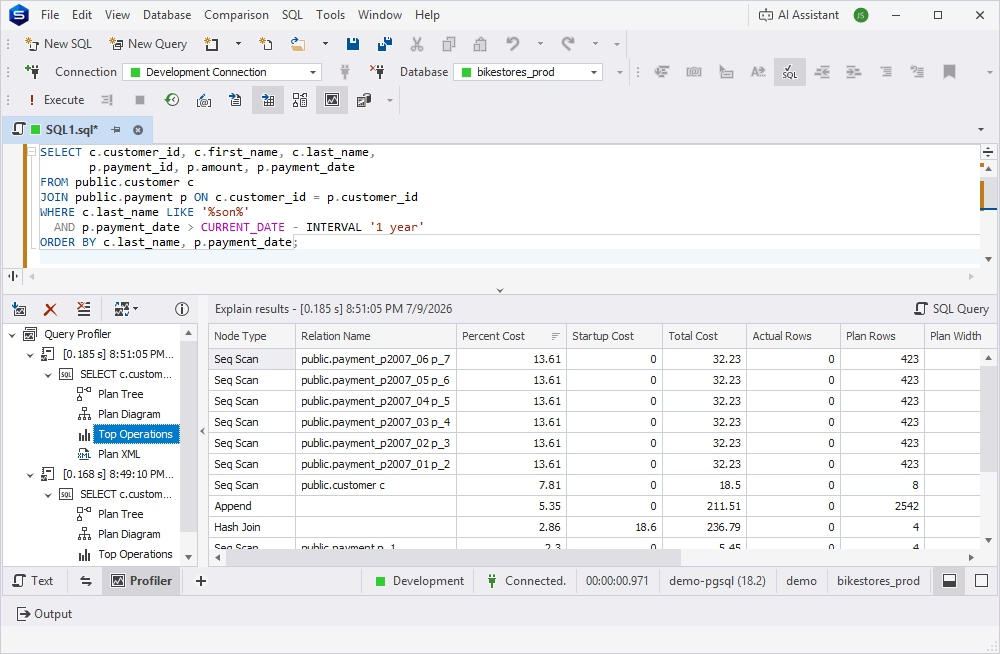
The top operations list shows an ordered list of the most expensive operations in descending order. You can sort the list by any column and filter the values as needed.
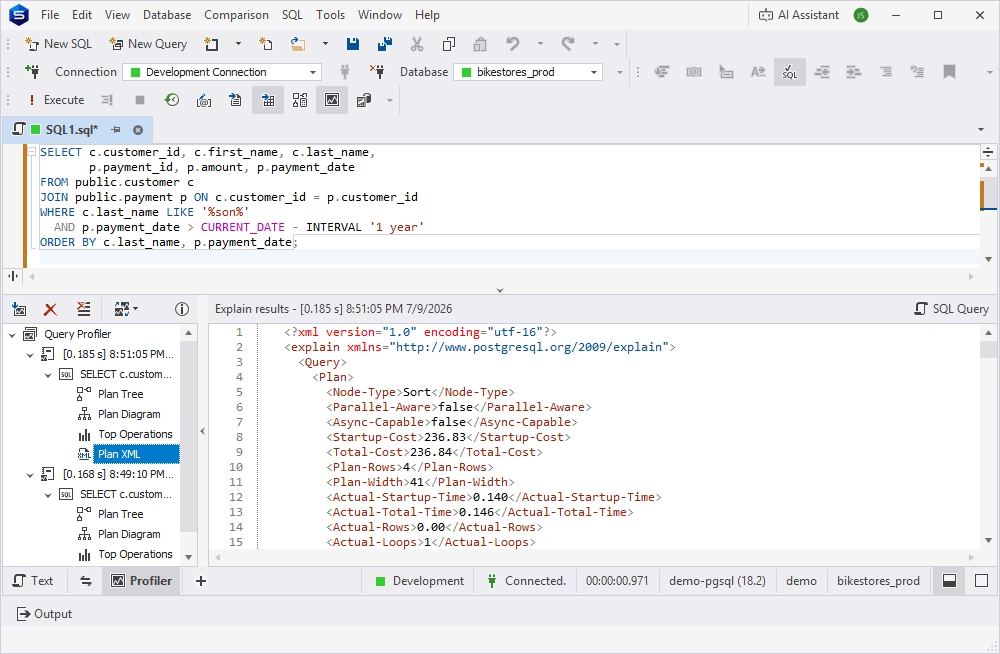
With Query Profiler, you can have the execution plan formatted as XML, which can be parsed and processed by software and used in automation and advanced data analysis.
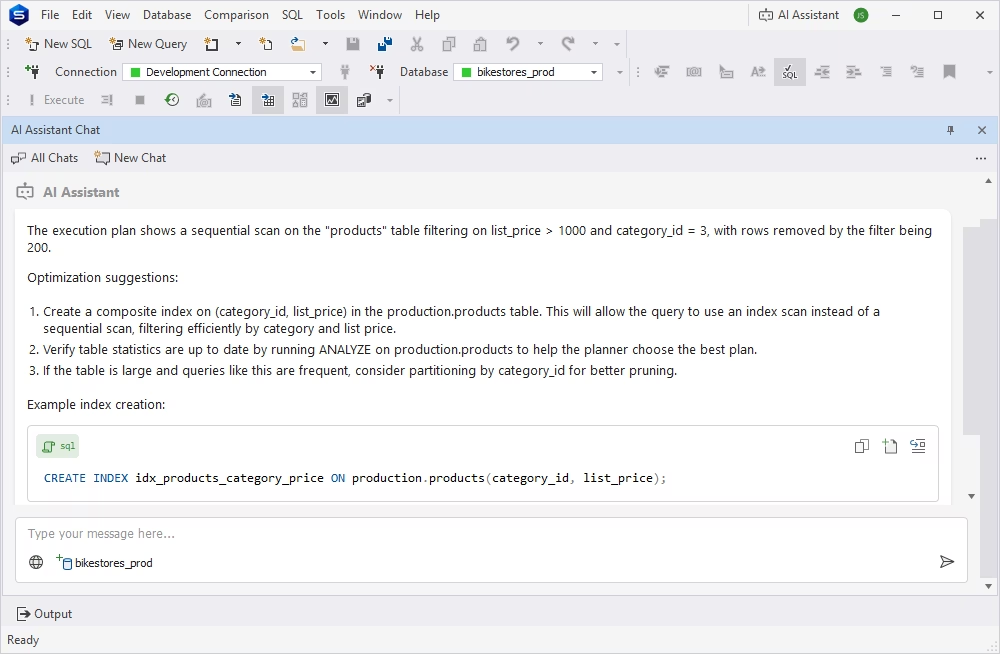
dbForge Studio enhances SQL development with PostgreSQL AI query optimization. The integrated dbForge AI Assistant can parse Query Profiler results in the XML format and provide the analysis and improvement suggestions. Just copy the execution plan XML from the Query Profiler window and paste it to the AI chat, asking the Assistant to review and optimize—and it will deliver.
dbForge Studio for PostgreSQL has robust built-in capabilities for query profiling and optimization. With visual execution plans, comprehensive performance metrics, and an intuitive interface for analyzing query behavior, it helps database developers, software developers, and DBAs identify inefficiencies faster, optimize their SQL code, and improve performance of their PostgreSQL databases. To see Query Profiler and other advanced features of dbForge Studio for PostgreSQL in action, download a fully functional trial version and experience a faster, more productive PostgreSQL development workflow.
A PostgreSQL query profiler is a useful tool that helps you find issues in your SQL that slow down query performance and cause excessive resource consumption. A query profiler analyzes the execution flow step by step, explaining each operation and highlighting optimization opportunities.
Using an advanced PostgreSQL query analyzer and profiler, for example, the one provided in dbForge Studio for PostgreSQL, you can run your query in the Query Profiler mode and examine the results the tool returns. For each query run, you get a detailed breakdown of execution costs, a plan tree showing the operations hierarchy, a visual execution diagram, and a list of the most expensive operations. These details help you identify inefficiencies in your SQL and suggest improvements.
After you have adjusted your query, execute it again in the Query Profiler mode to compare the results.
Yes. Query Profiler in dbForge Studio for PostgreSQL provides a visual execution diagram showing the order of operations together with their respective costs and other metrics.
To compare performance results, rerun your query in the Query Profiler mode after optimization and view the results side by side by holding the Ctrl key and clicking SQL or Plan Diagram in both execution plans. You can compare the overall query execution metrics and the plan diagrams.
dbForge Studio is a comprehensive PostgreSQL database management IDE that supports the entire database lifecycle, from design to deployment. Among other features, the Studio offers Query Profiler, a performance tuning tool that you can use to analyze your query performance, identify bottlenecks, and get improvement insights.
You can use Query Profiler in dbForge Studio for PostgreSQL to analyze slow-performing queries and pinpoint issues that cause poor performance.
Query Profiler is available in the Professional and Standard editions of dbForge Studio for PostgreSQL.
One of the best PostgreSQL query optimization tools is Query Profiler, available in dbForge Studio for PostgreSQL. It provides a complete view of query execution together with costs, CPU and memory usage, read counts, and other informative metrics. In addition, Query Profiler displays a query execution diagram showing a step-by-step flow with a cost breakdown per operation. This information allows you to identify bottlenecks and find optimization solutions.
Yes. You can copy the execution plan XML from the Query Profiler window and paste it to the AI chat, asking the Assistant for optimization options. It will analyze the query performance and suggest improvements.
Yes. The Assistant can analyze the execution results provided by Query Profiler in the XML format and pinpoint bottlenecks. Based on such an analysis, it suggests potential improvements and optimizations.
Yes. The AI Assistant integrated into dbForge Studio for PostgreSQL can review the Query Profiler results and suggest optimization options using the context of the attached database.