

dbForge Studio for PostgreSQL
AI-powered IDE for database development, management, and data analysis across PostgreSQL and related cloud services
PostgreSQL database migration has always been an important task for data infrastructure management. The objectives can differ: moving to a new environment, upgrading PostgreSQL versions, consolidating systems, improving performance, or adopting cloud-based solutions. In all of these cases, a well-planned migration can help ensure data remains secure, available, and ready to support future growth.
Database migration is not only a concern for database administrators. It directly impacts developers who build and maintain applications, DevOps and infrastructure teams responsible for reliability and deployment workflows, security staff managing data protection, and executives making decisions based on operational data. Here, proper understanding of the challenges, strategies, and best practices related to PostgreSQL migration helps build secure migration flows with minimum risks attached.
That is why we offer you a guide that explores one of the easiest ways of migrating data to and from PostgreSQL databases.
A typical PostgreSQL migration tool is designed to move data from one environment to another while minimizing downtime, reducing manual effort, and helping maintain data integrity. Depending on the use case, these tools can transfer data between PostgreSQL databases, migrate entire databases to new servers, or move data to other database systems such as MySQL, SQL Server, or Oracle.
At this stage, it's important to distinguish between the different types of migration:
PostgreSQL database migration tools often include features such as automated schema conversion, incremental data replication, change data capture (CDC), validation, rollback support, and migration monitoring. These capabilities help reduce migration risks, shorten project timelines, and ensure continuity during database modernization or infrastructure upgrades.
A proper PostgreSQL data migration tool should offer more than basic data transfer capabilities. Advanced features simplify complex migrations, improve accuracy, reduce downtime, and make migration workflows easier to automate. Let's take a look at the common features to be expected in such tools.
| Feature | Description | Benefit |
|---|---|---|
| ODBC source/target connection | Connects to PostgreSQL and other databases through ODBC drivers | Supports migrations between PostgreSQL and multiple DBMSs using a standard interface |
| Column mapping | Maps source columns to different destination columns or data types | Ensures compatibility when database schemas differ |
| Data format settings | Configures date, time, numeric, encoding, and NULL value handling during migration | Prevents data conversion errors and preserves data accuracy |
| Import modes | Supports append, update, overwrite, merge, or upsert operations | Provides flexibility for initial migrations and ongoing synchronization |
| Transactions | Executes migration tasks within database transactions where supported | Maintains data consistency and enables rollback if a migration fails |
| Error handling | Detects, reports, and optionally skips problematic records while continuing the migration | Reduces interruptions and simplifies troubleshooting |
| Logging | Generates detailed execution logs with migration statistics and error information | Improves auditing, diagnostics, and compliance reporting |
| Templates | Saves migration settings for reuse across similar projects | Reduces setup time and ensures consistent migration processes |
| Command-line automation | Runs migration jobs from scripts or scheduling tools without manual intervention | Enables automated, repeatable, and unattended migration workflows |
When evaluating PostgreSQL migration tools, prioritize features that match your particular migration scenario. For example, one-time database transfers may only require basic import capabilities, while enterprise migrations often benefit from automation, advanced error handling, reusable templates, and comprehensive logging.
A successful PostgreSQL migration requires careful planning before any data is transferred. Following a structured checklist will help you avoid data loss and identify potential compatibility issues before they affect production systems.
You can relocate your databases and actual data to new data storage and processing systems quickly and easily. dbForge Studio for PostgreSQL will come in handy here. It's an advanced IDE that works with PostgreSQL, Supabase, Amazon Redshift, and a number of related cloud services. It offers an intuitive GUI with a bunch of advanced features and options to help you with that.
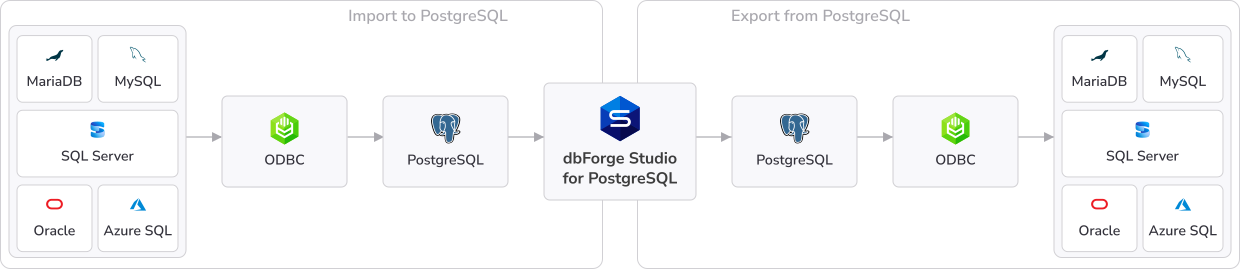
Let's explore the easiest way to export data using dbForge Studio for PostgreSQL.
Invoke the Data Export wizard either by right-clicking the required table in Database Explorer and selecting Tasks > Export Data or from the Database menu > Tasks > Export Data.
On the Export format page of the Data Export wizard, select the required format.
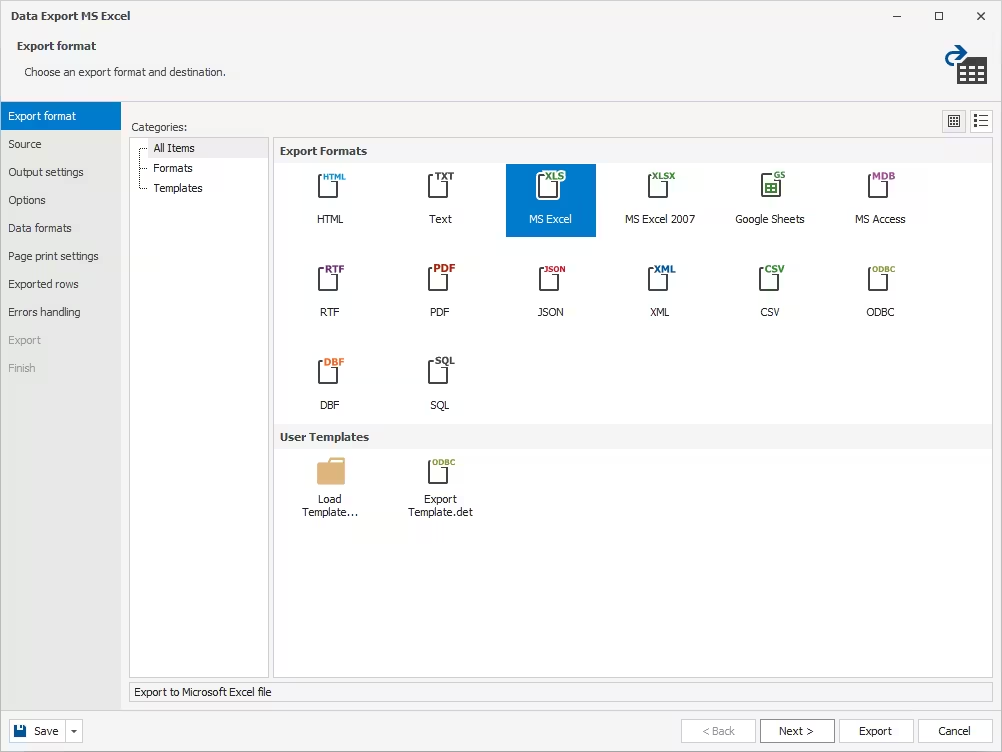
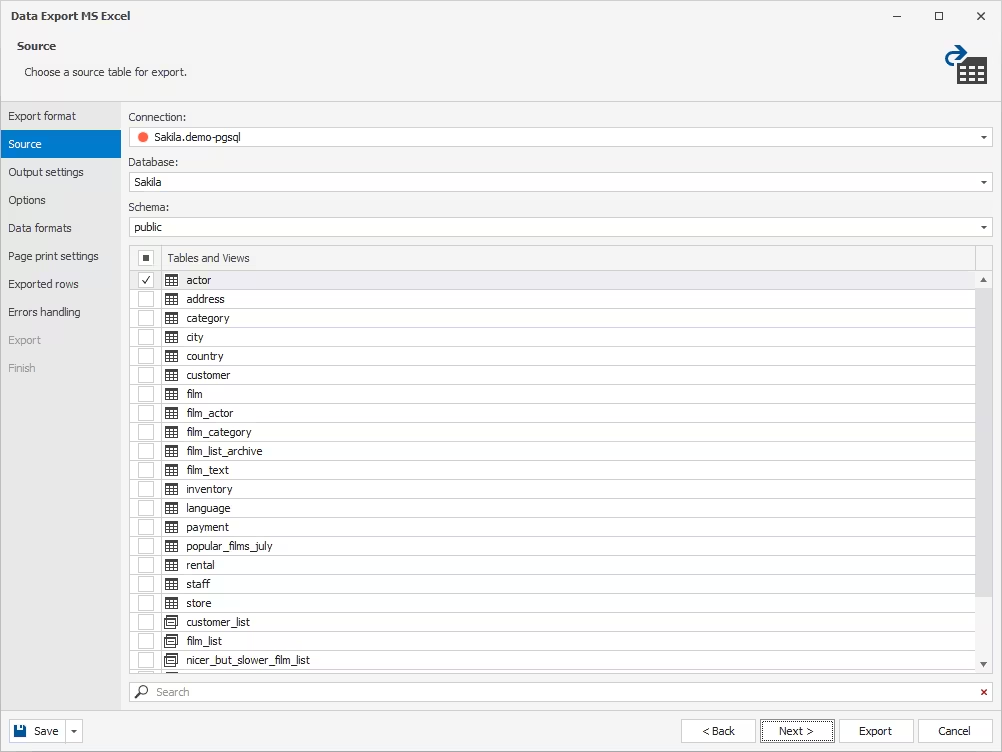
On the Source page, you need to specify your PostgreSQL server connection, database, schema, and table(s) that you want to export.
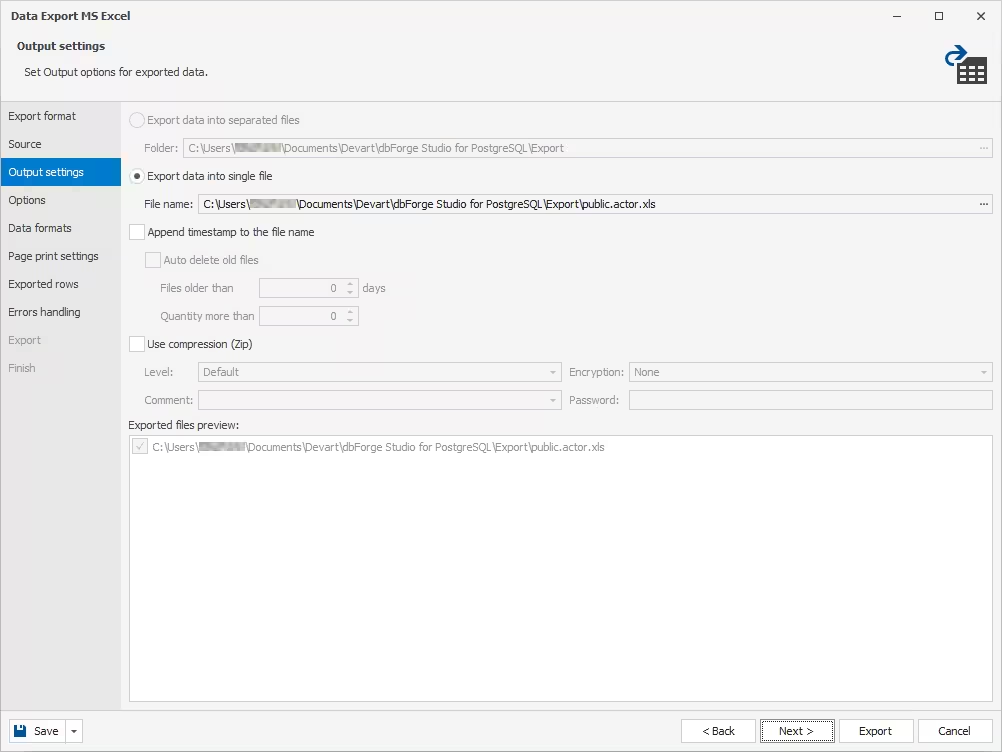
On the Output settings page, you can configure how you want your data to be exported. You can select to export data into one or multiple files, append a timestamp to the file name, or create an archive, if required.
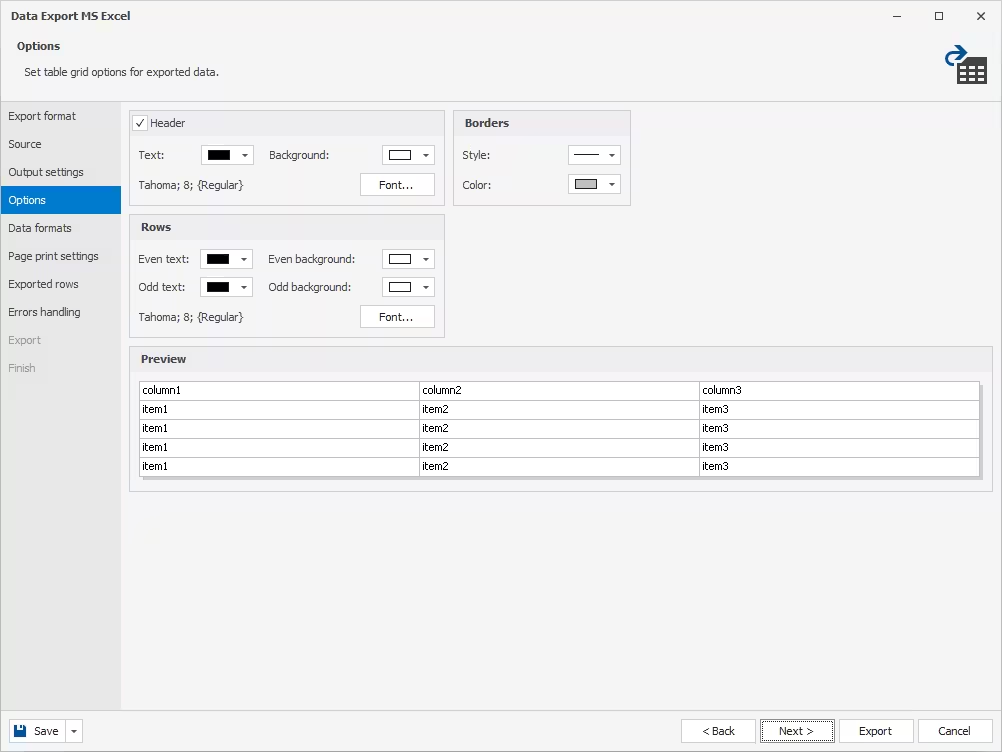
On the Options page, you can configure table grid options, including the text and background colors for the header and rows as well as border style and color. You can also preview your changes.
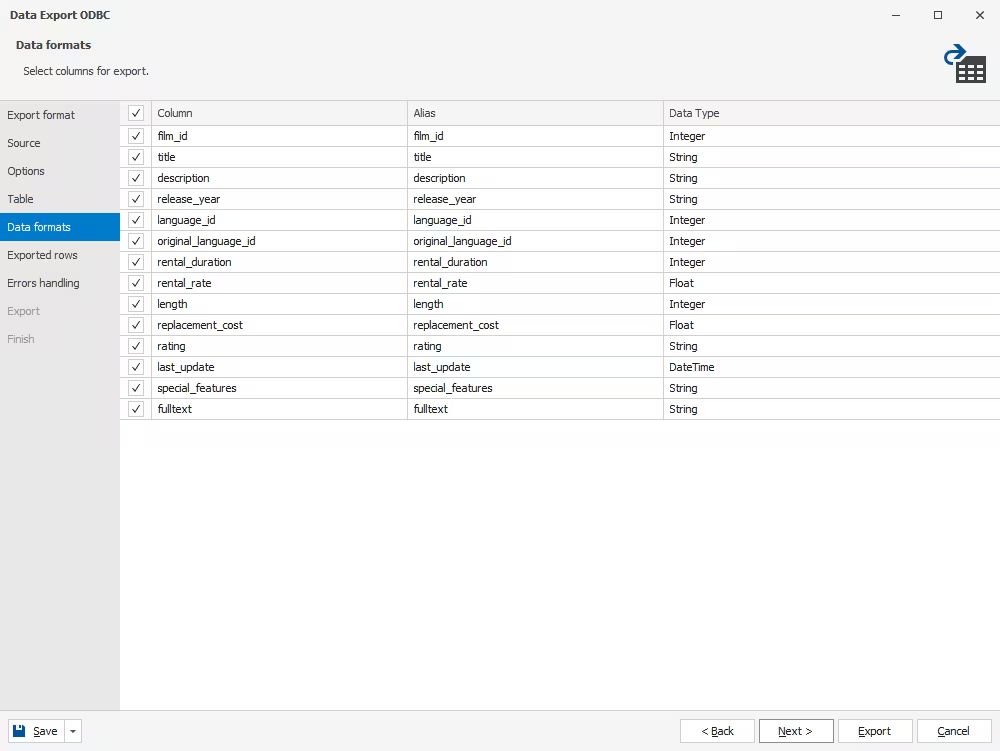
On the Data formats page, you can adjust data formats for each particular column. These may include:
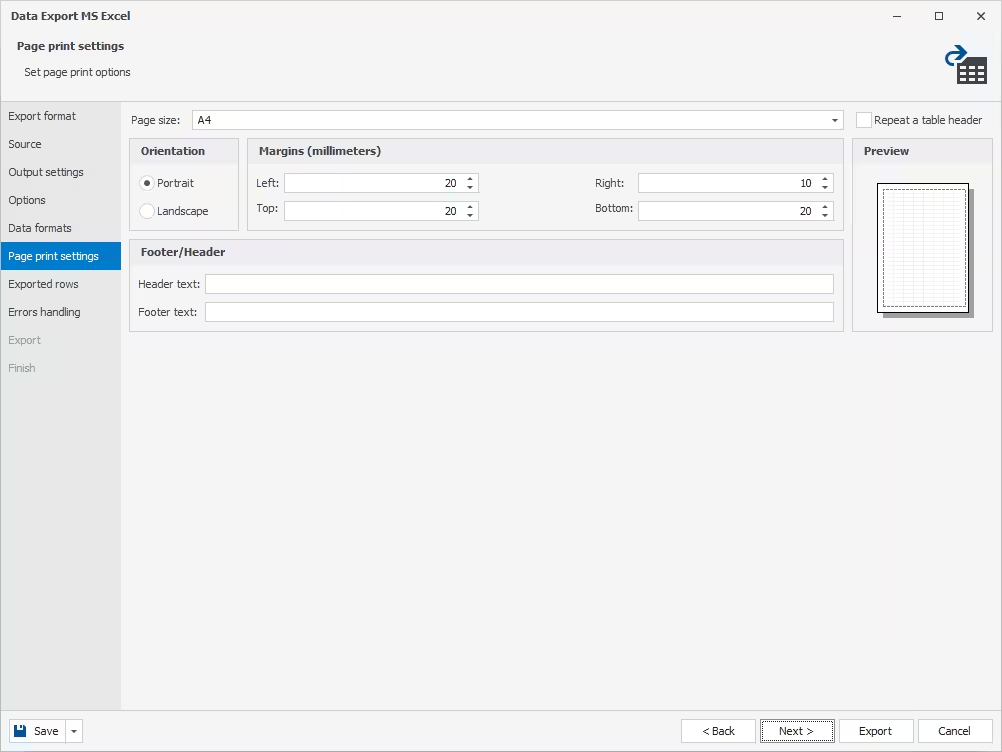
This is where page print settings can be configured.
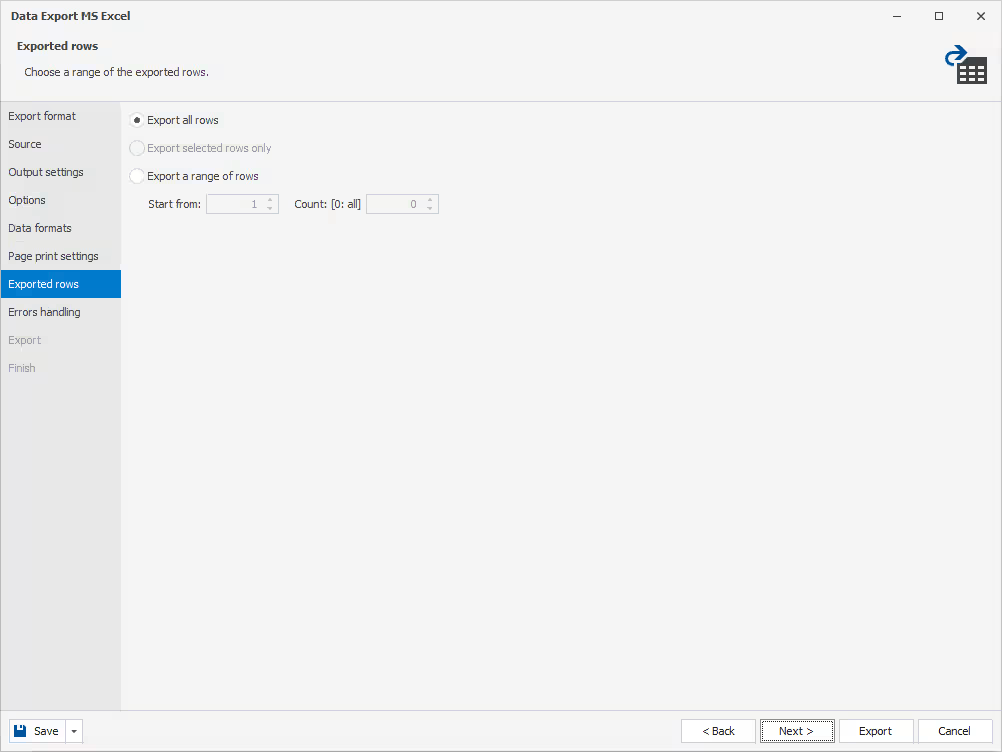
On the Exported rows page, you can select to export all rows, export the selected rows only, or export a specified range of rows.
On the Errors handling page, you can specify the Studio's behavior in case it encounters an error in the export process. There are three options here:
You can also select to create a log file with a report and set a path to it.
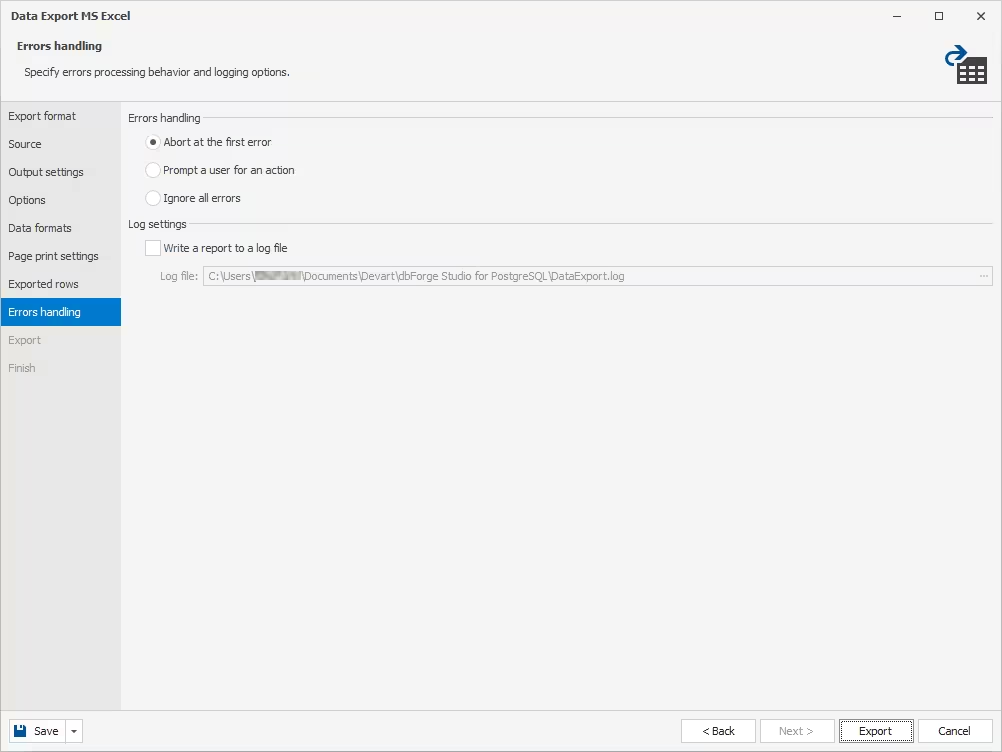
The Studio allows saving export templates with settings for recurring scenarios.
You can reuse these templates as many times as you want.
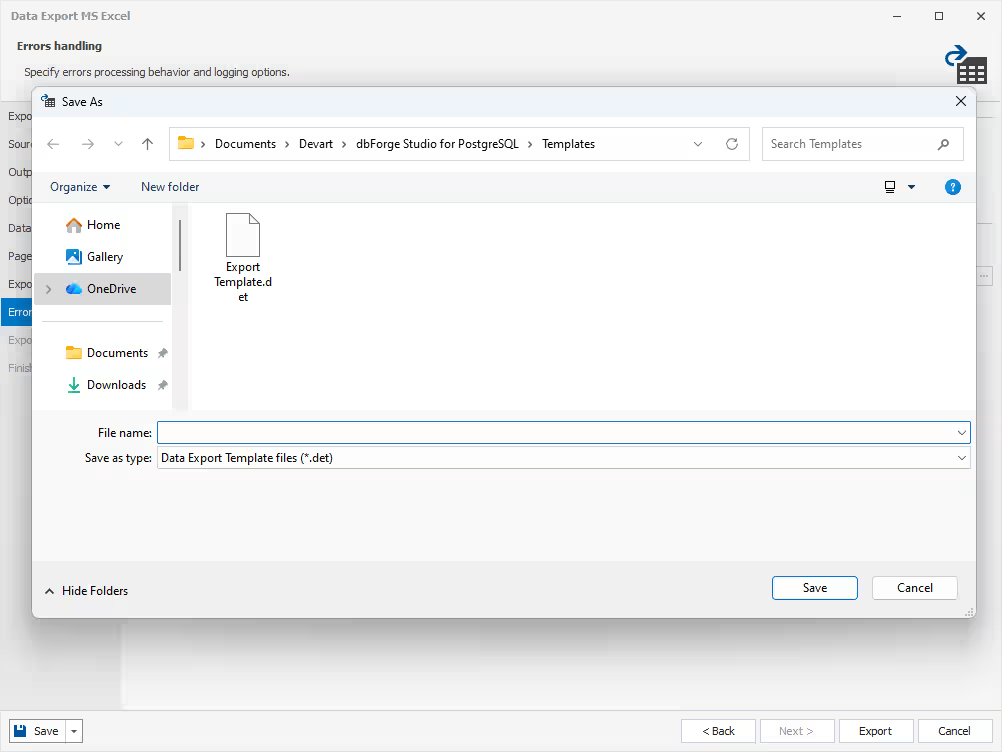
You can run recurring export operations from the command line. To do that, configure export settings as required and go to Save > Save Command Line. There, you will see an auto-generated script that can be further tweaked and validated.
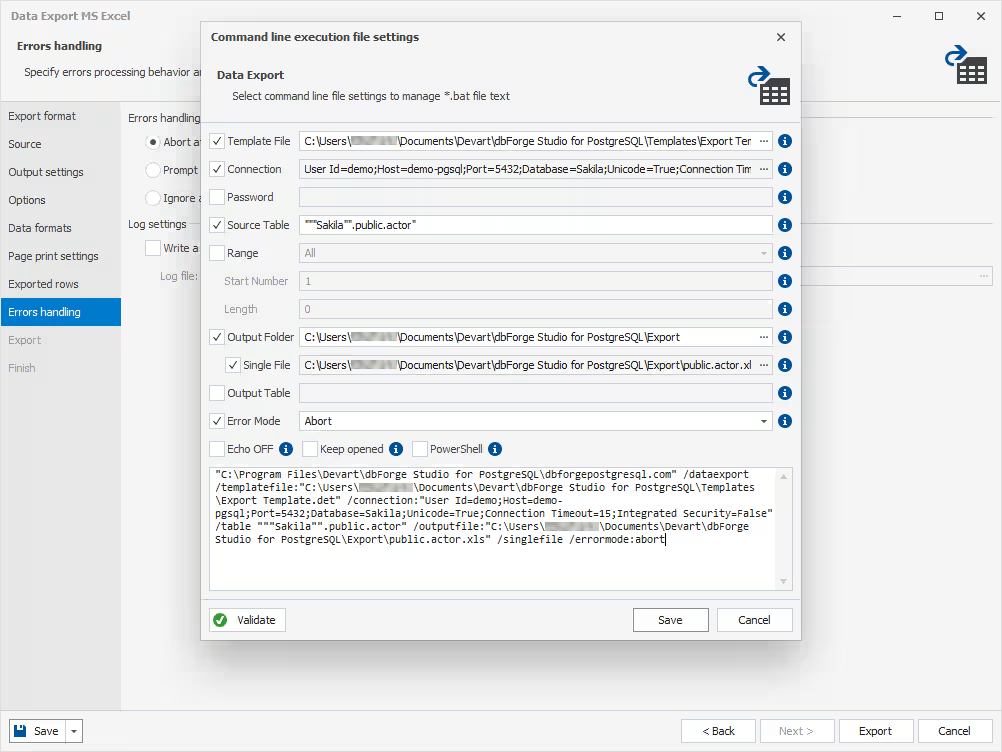
The auto-generated script can be saved to a batch file and/or executed at any given moment. You can also schedule it for regular execution.
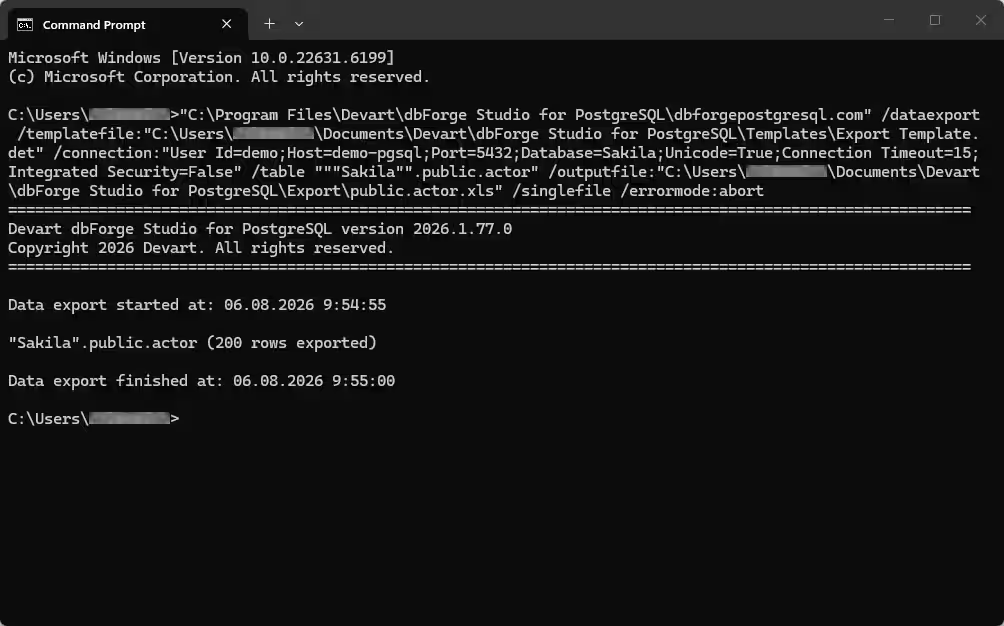
Now let's take a look at the simplest way to import data using dbForge Studio for PostgreSQL.
Open the Studio, establish a connection, and invoke the Data Import wizard. You can do it either by right-clicking the required table in Database Explorer and selecting Tasks > Import Data or from the Database menu > Tasks > Import Data.
To import the required data, on the Source file page of the Data Import wizard, select the required format.
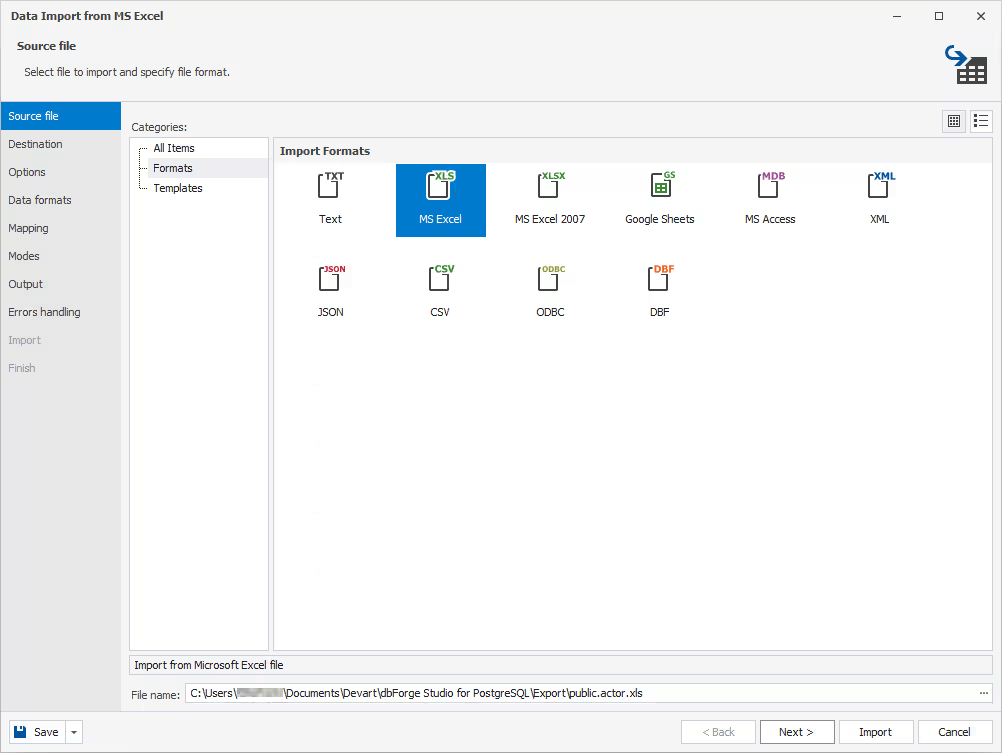
On the Destination page, you need to select a target connection, database, schema, and table for import. Note that you can import data into an existing table as well as create a new table under a specified name.
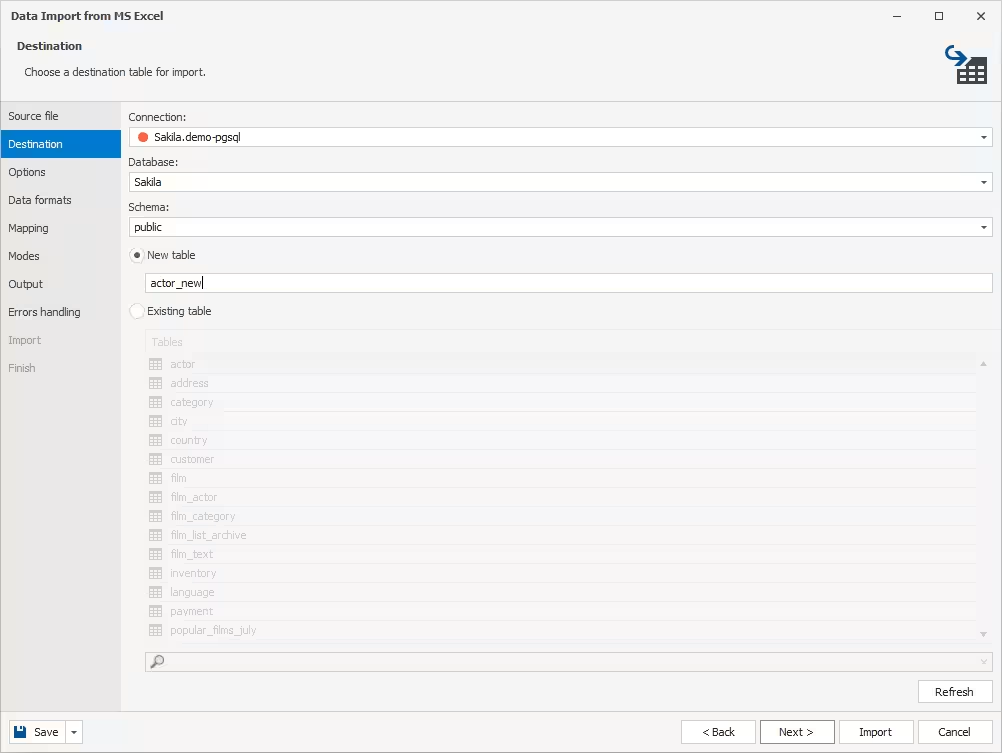
On the Options page, you can specify import options for the selected data format. Changes can be previewed immediately.
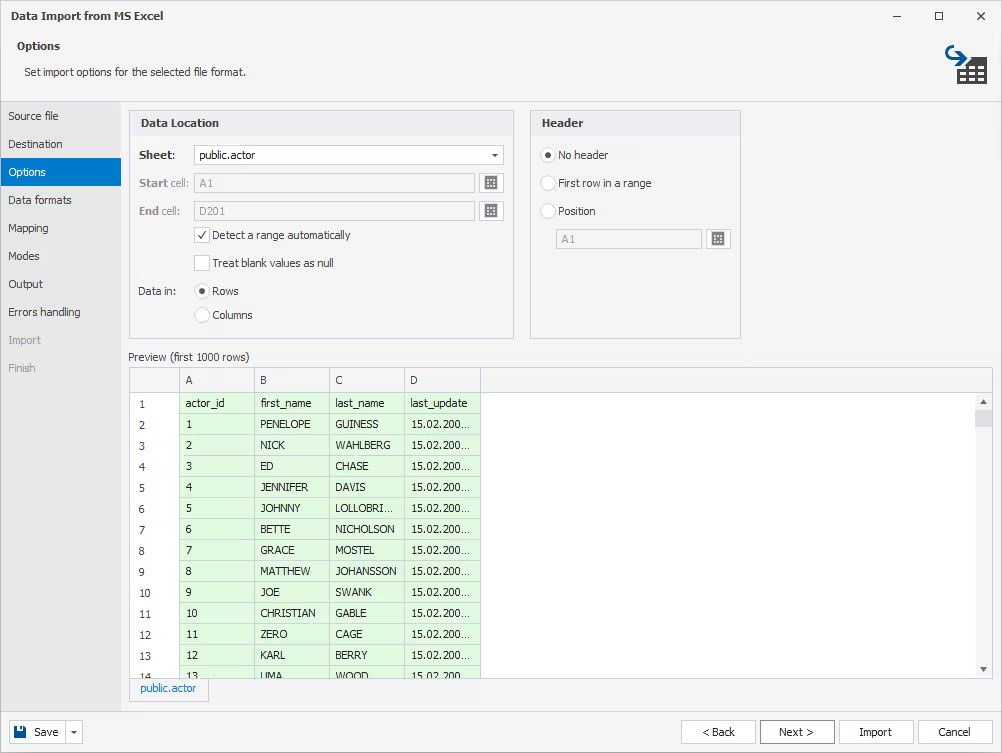
On the Data formats page, you can adjust data formats for each particular column. This includes the following:
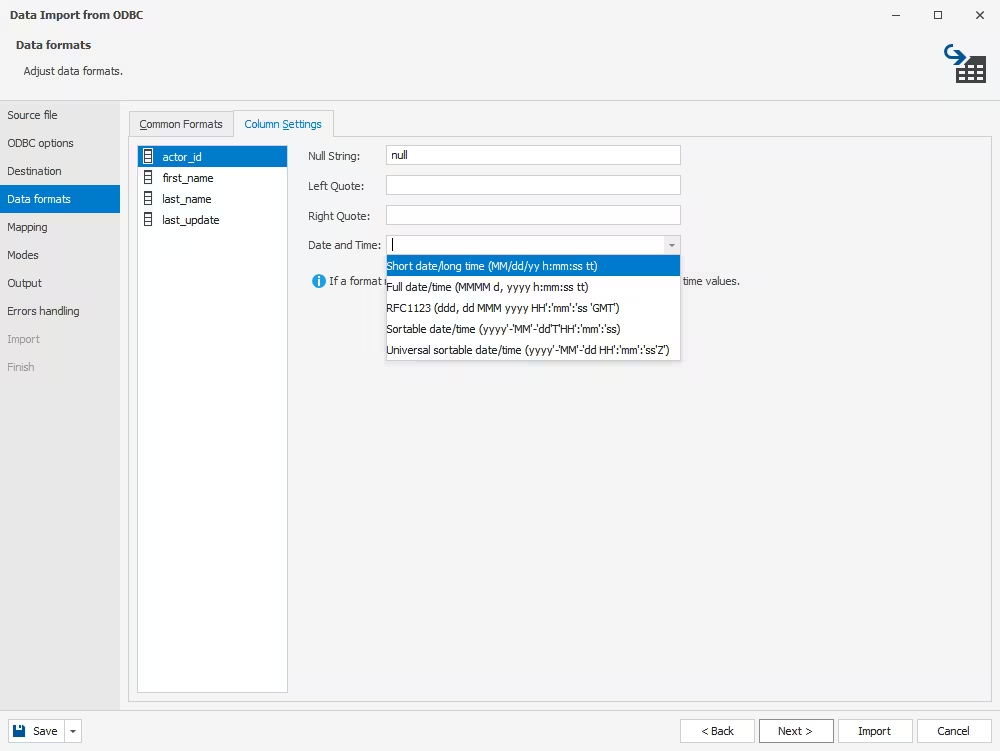
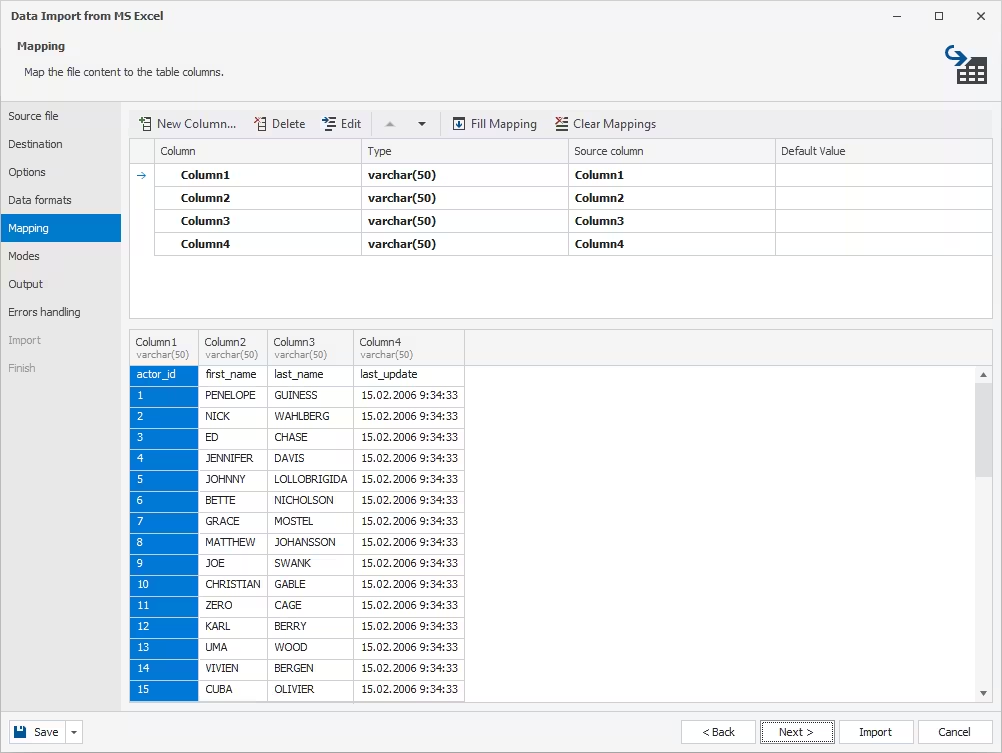
Column mapping allows configuring the way your records should be stored in the target table.
If you are importing data into a new table, the Studio will automatically create and map all the columns. If you are importing data into an existing table, the columns with the same names will already be mapped; the rest can be mapped manually.
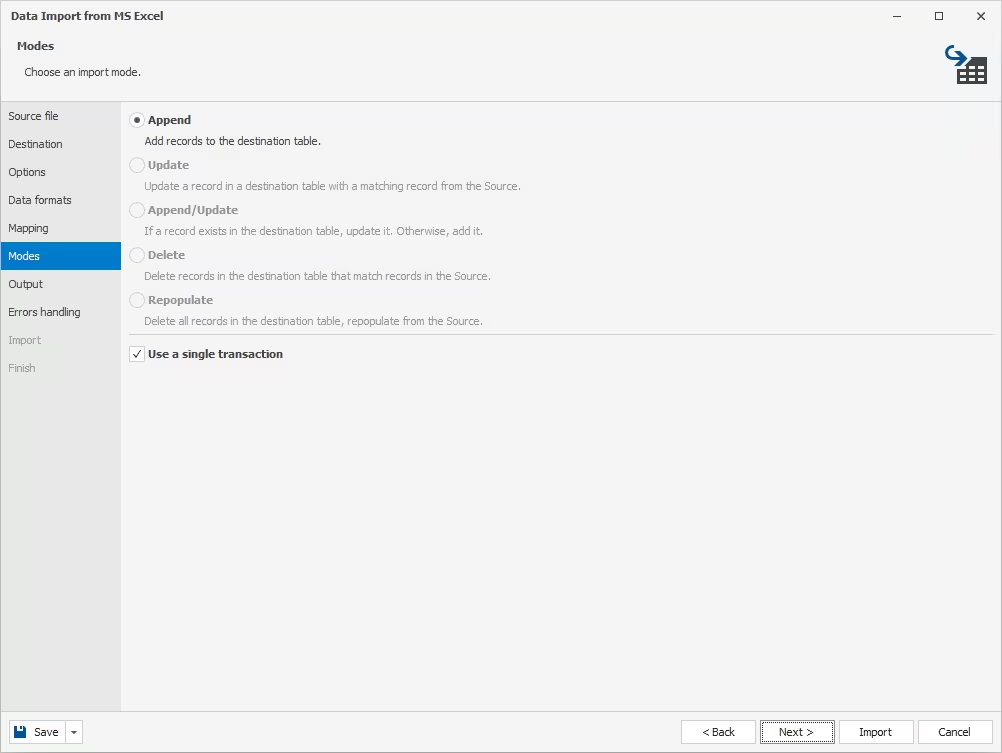
Next, you can pick one of the following data import modes:
You can also select to import data in a single transaction.
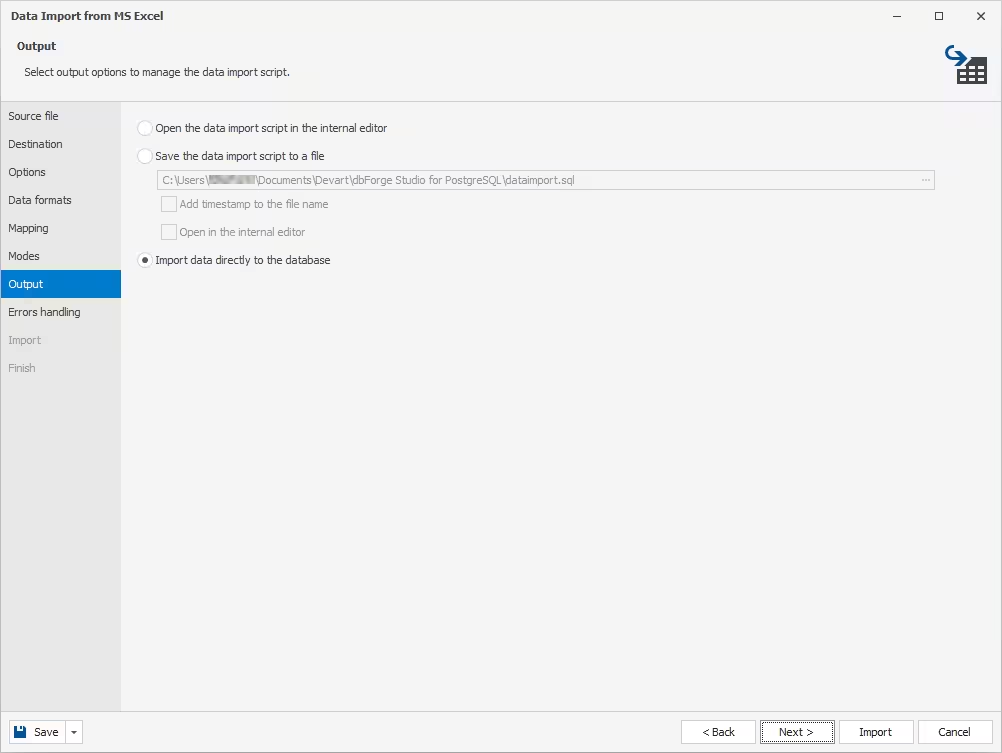
On the Output page, you can choose one of the following options to proceed:
In the second case, the Studio allows you to automatically add a timestamp to the file name and specify a folder to save the file to.
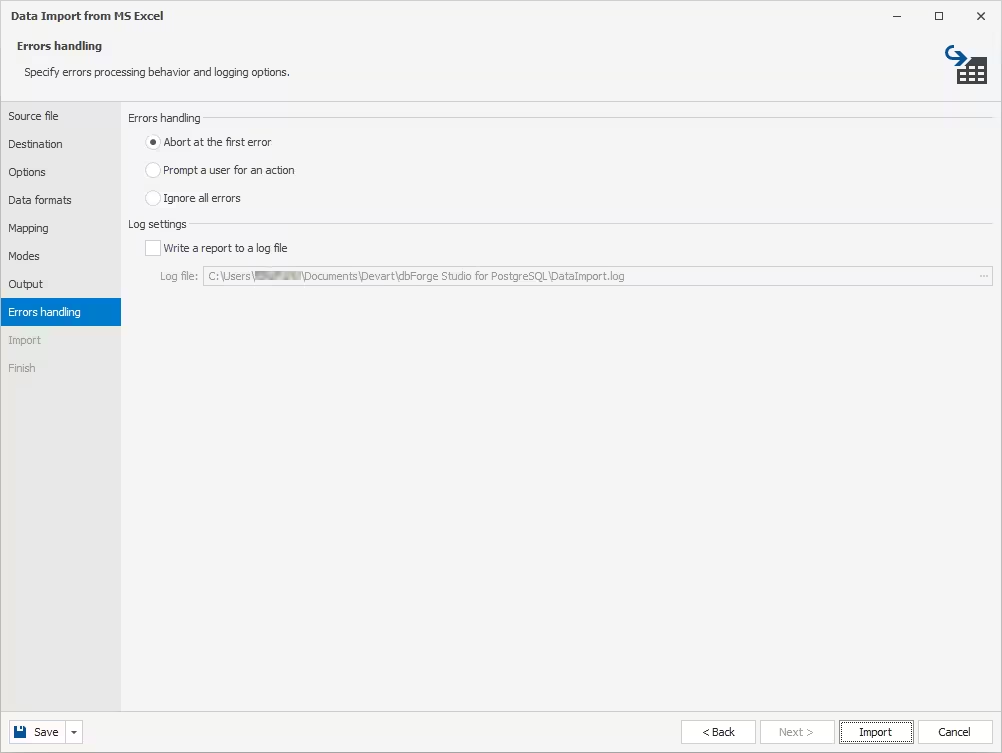
On the Errors handling page, you can specify the Studio's behavior in case it encounters an error in the import process. There are three options here:
You can also select to create a log file with a report and set a path to it.
The Studio allows saving import templates with settings for recurring scenarios.
You can reuse these templates as many times as you want.
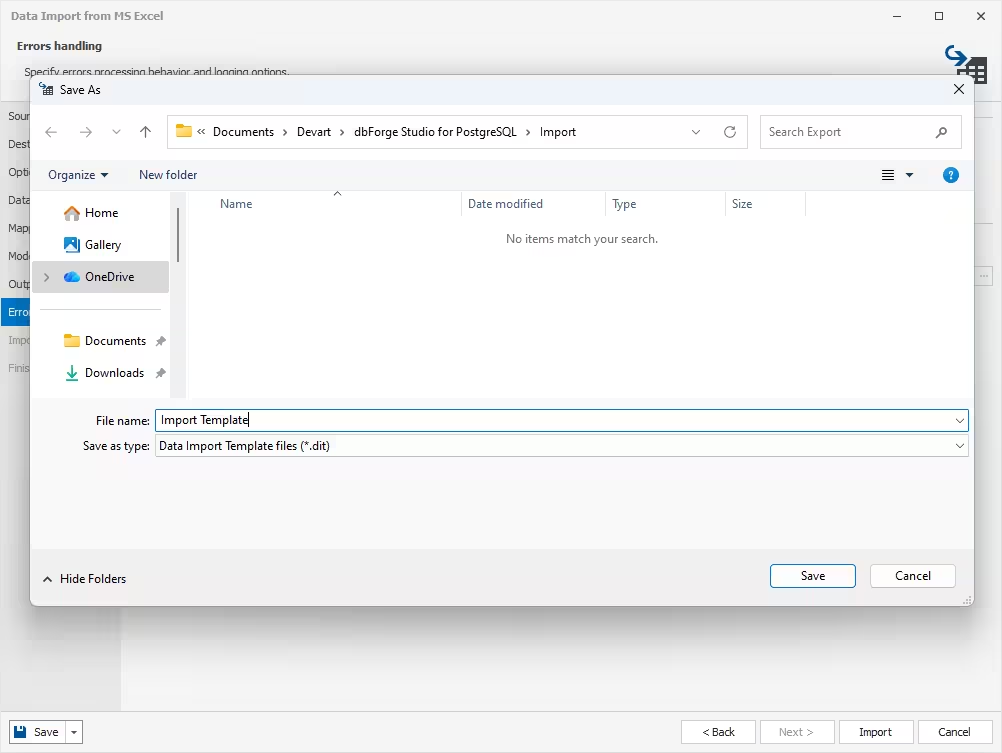
You can run recurring import operations from the command line. To do that, configure import settings as required and go to Save > Save Command Line. There, you will see an auto-generated script that can be further tweaked and validated.
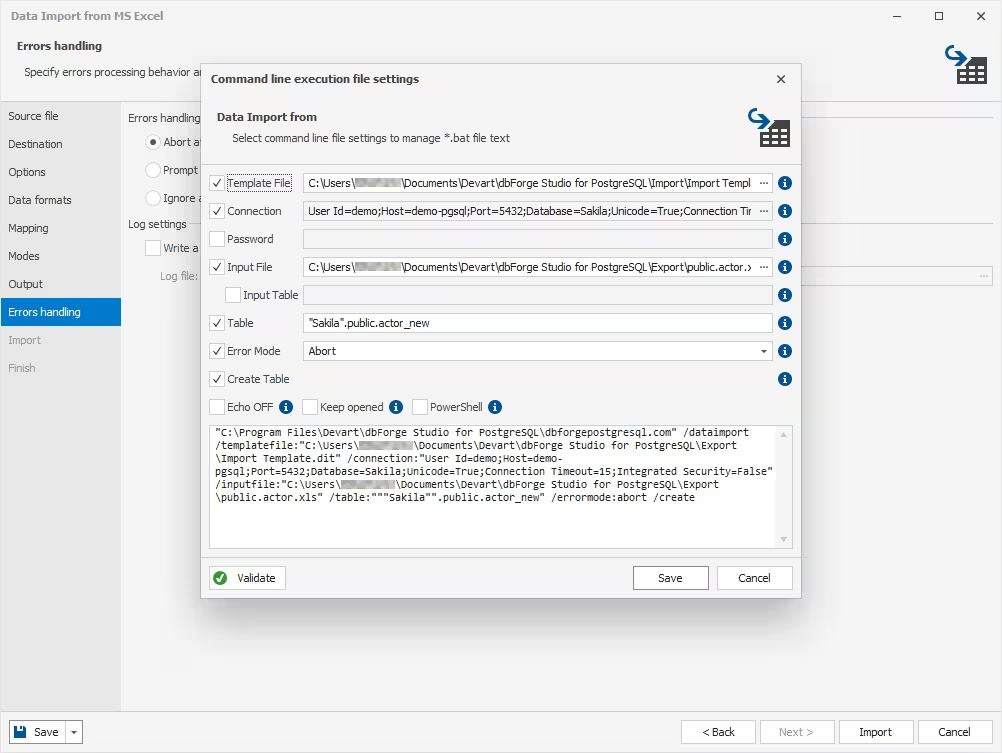
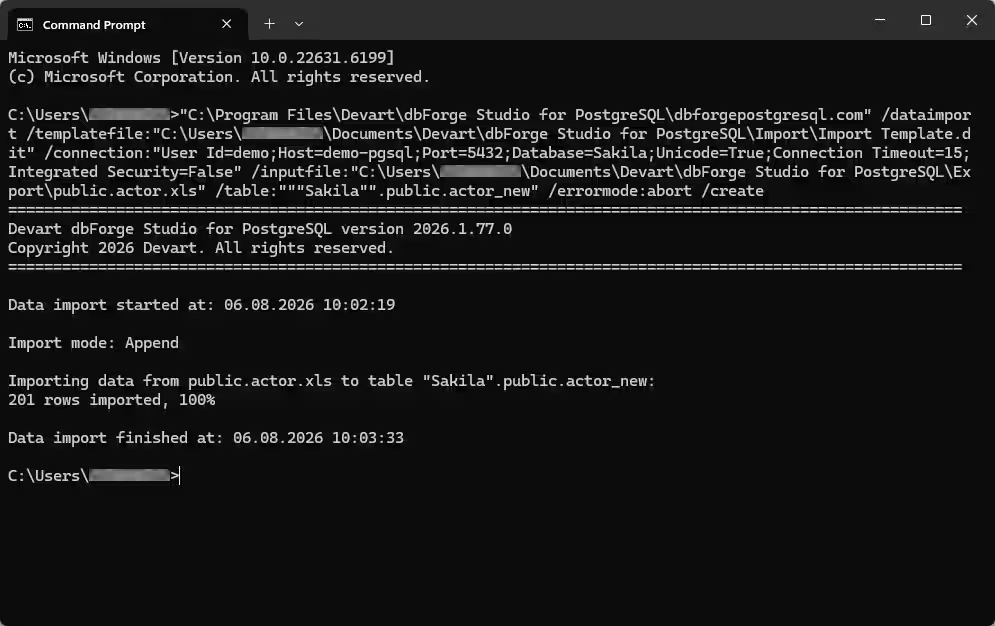
The auto-generated script can be saved to a batch file and/or executed at any given moment. You can also schedule it for regular execution.
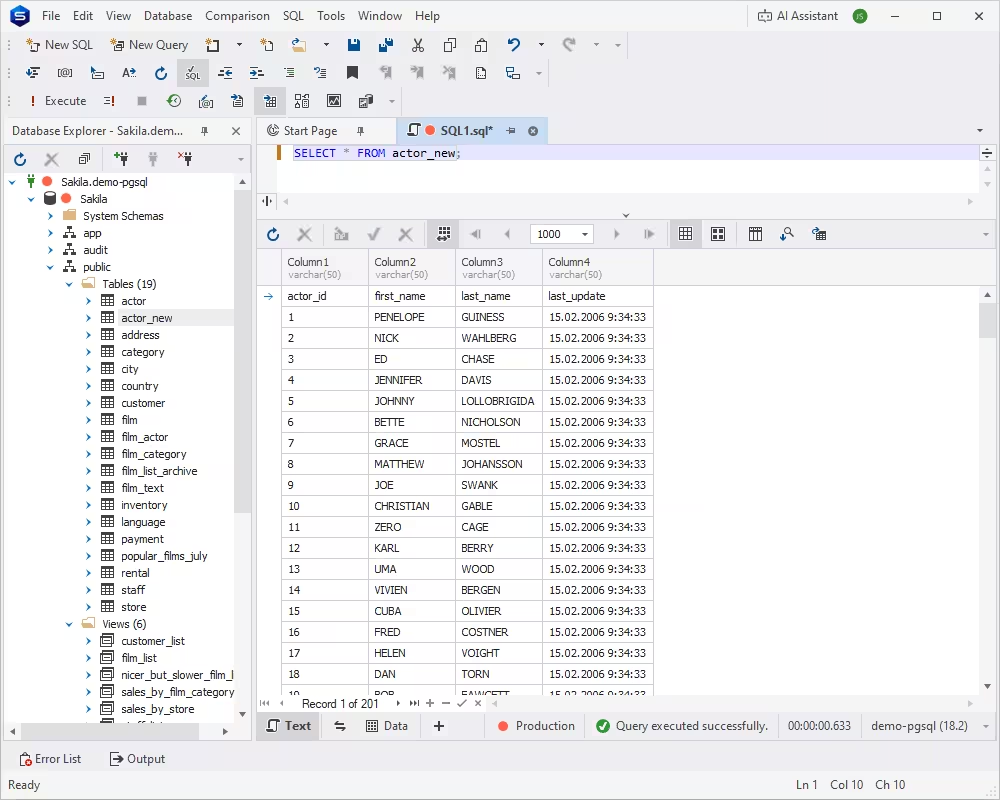
As a result of your import operation, the data from the source file will be available in your target PostgreSQL database.
dbForge Studio for PostgreSQL delivers advanced tools for migrating databases between source and target environments. The Studio's import and export functionality makes it possible to transfer PostgreSQL data between different databases and servers.
The best Postgres migration tool is the one that fully matches your migration scenario, budget, and technical requirements. Some tools are optimized for simple PostgreSQL-to-PostgreSQL transfers, while others support migrations between PostgreSQL and other database systems such as MySQL, SQL Server, Oracle, or MariaDB.
Still, if you require a flexible and reliable tool that offers multiple database development and management features far beyond migration, you can't go wrong with dbForge Studio for PostgreSQL.
dbForge Studio offers a couple of ways of migrating database structures and actual data between environments. You can choose one that best suits your workflow.
Yes, you can easily do it using dbForge Studio in a couple of ways.
Yes. dbForge Studio is the ultimate Postgres database migration tool that will help you do it effortlessly. It supports import from 10 of the most popular data formats and offers multiple flexible options in an intuitive wizard.
Yes, you can migrate data there and back using the import and export features of dbForge Studio together with Devart ODBC Driver for PostgreSQL, a high-performance connectivity solution with extensive compatibility.
Yes. Using dbForge Studio, you can configure migration settings and save them to reusable templates. Furthermore, you can schedule and automate regular import and export operations from the command line.
Yes, and a flexible one at that. Probably the easiest way is to use the Studio's integrated tool called Schema Compare, which enables schema synchronization to a target environment with just a few clicks.
Schema migration and data migration solve different problems. The key difference is as follows:
dbForge Studio is itself a high-end database migration tool for PostgreSQL that already includes command-line migration automation. You only need to configure migration settings in a wizard, and the Studio will autogenerate a migration script that can be executed immediately or scheduled for execution.